
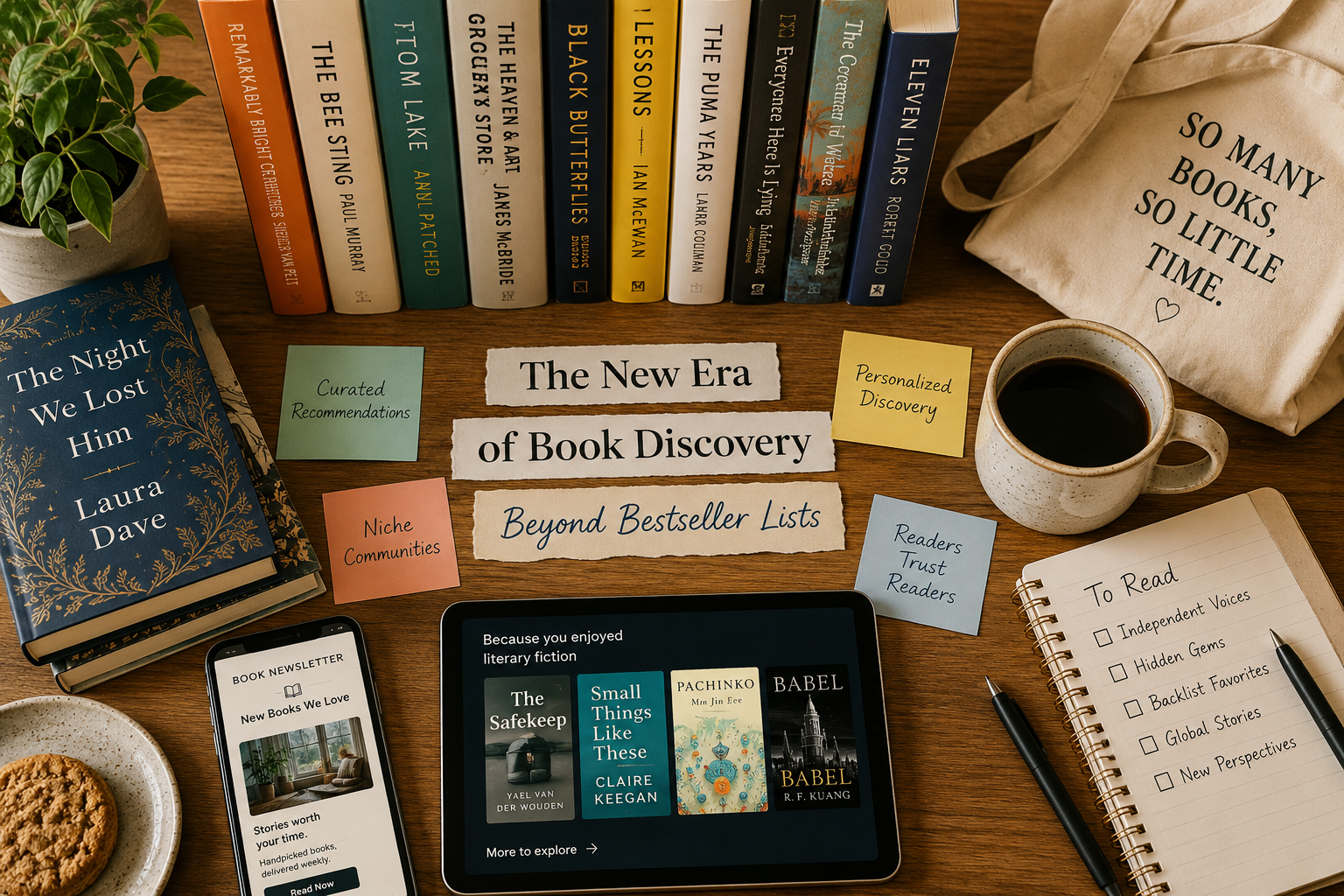
For decades, bestseller lists were one of the most influential tools in the publishing industry. Readers often relied on weekly rankings to decide what to read next, while publishers viewed high-chart positions as indicators of success. However, the way people discover books is changing rapidly.
In 2026, readers have access to more recommendations than ever before. Digital platforms, independent curators, niche communities, author newsletters, and personalized suggestion engines are creating new pathways to literary discovery. As a result, bestseller lists are no longer the only gatekeepers of visibility.
A growing number of readers are actively looking beyond the most popular titles in search of books that better match their interests, values, and reading preferences.
Why Bestseller Lists No Longer Dominate Discovery
Bestseller rankings remain important, but modern readers are exposed to countless alternative sources of recommendations. Several factors are driving this shift:
- Expanded digital access
- Personalized recommendation systems
- Independent book creators
- Reader-generated reviews
- Specialized literary communities
- Curated reading newsletters
Instead of asking, “What is everyone reading?” many readers now ask, “What is right for me?” This change has fundamentally altered how books gain attention.
The Rise of Personalized Book Discovery
One-size-fits-all recommendations are becoming less effective. Modern readers increasingly prefer suggestions based on:
| Discovery Factor | Reader Interest |
|---|---|
| Favorite genres | Higher relevance |
| Reading history | Better recommendations |
| Personal interests | Stronger engagement |
| Writing style preferences | Improved satisfaction |
| Specific themes | More targeted choices |
| Mood-based reading | Greater enjoyment |
This personalized approach often leads readers toward books that never appear on traditional bestseller lists.
Curated Recommendations Are Gaining Influence
Book discovery is becoming more human-driven. Many readers now follow:
- Literary bloggers
- Independent reviewers
- Book curators
- Reading newsletters
- Author recommendations
- Subject-matter experts
These sources often highlight overlooked books that receive limited mainstream attention. Unlike rankings that focus on sales volume, curated recommendations emphasize quality, relevance, and unique reader experiences.
Niche Communities Are Reshaping Reading Habits
Specialized reading communities have become powerful discovery engines. Readers increasingly gather around interests such as:
- Historical fiction
- Literary classics
- Science fiction
- Mystery novels
- Personal development
- Independent publishing
Within these communities, recommendations often spread organically through discussion and shared enthusiasm. Books can gain significant popularity within niche audiences even without appearing on national bestseller charts.
Backlist Titles Are Finding New Audiences
One of the most interesting trends in modern publishing is the growing interest in backlist books. Backlist titles are books that were published years ago but continue attracting readers. Several factors contribute to this trend:
- Digital availability
- Online recommendations
- Literary discussions
- Author rediscovery
- Thematic relevance
Readers are realizing that great books do not lose value simply because they are no longer new releases. This has expanded the range of titles people consider when searching for their next read.
Readers Are Trusting Other Readers
Traditional marketing still plays a role in publishing, but peer recommendations have become increasingly influential. Many readers place significant value on:
- Personal reviews
- Reading experiences
- Detailed discussions
- Reader ratings
- Community recommendations
These insights often feel more authentic than promotional campaigns. As a result, books can build strong audiences through word-of-mouth rather than large-scale marketing efforts.
Authors Are Becoming Discovery Channels
Writers themselves are increasingly helping readers discover new books. Many authors regularly recommend:
- Favorite novels
- Emerging writers
- Influential classics
- Independent publications
Readers often trust these suggestions because they come from individuals deeply connected to literature. This creates new discovery pathways that operate independently of bestseller rankings.
Technology Is Expanding Literary Visibility
Digital tools are making it easier for readers to explore a wider range of books. Modern discovery systems can surface titles based on:
| Recommendation Type | Purpose |
|---|---|
| Similar books | Expand interests |
| Reading behavior | Personal relevance |
| Thematic connections | Topic exploration |
| Genre preferences | Better matching |
| Reader reviews | Community insight |
| Curated collections | Guided discovery |
These tools help readers uncover books that may never receive mainstream attention.
Independent Publishers Benefit From the Shift
The decline of bestseller-list dominance has created opportunities for smaller publishers. Independent publishers can now reach readers through:
- Curated platforms
- Online communities
- Specialized newsletters
- Targeted recommendations
- Digital book ecosystems
This increased visibility contributes to greater diversity within the publishing landscape. Readers gain access to a broader range of voices, perspectives, and storytelling styles.
The Future of Book Discovery
Book discovery will likely become even more personalized in the coming years. Future trends may include:
- Advanced recommendation engines
- Interest-based reading networks
- Community-curated libraries
- Personalized literary journeys
- Enhanced reader matching systems
- Niche discovery ecosystems
Rather than relying on a small number of highly visible titles, readers will continue exploring books through multiple discovery channels.
Final Thoughts
The era when bestseller lists dominated book discovery is gradually evolving. While rankings still influence reading choices, they now represent only one part of a much larger literary ecosystem.
Readers are increasingly finding books through personalized recommendations, curated communities, independent reviewers, and niche interests. This shift is creating a richer and more diverse reading environment where great books can find audiences regardless of their position on a bestseller chart.
As discovery becomes more personalized and community-driven, readers have more opportunities than ever to uncover stories that truly resonate with them.