
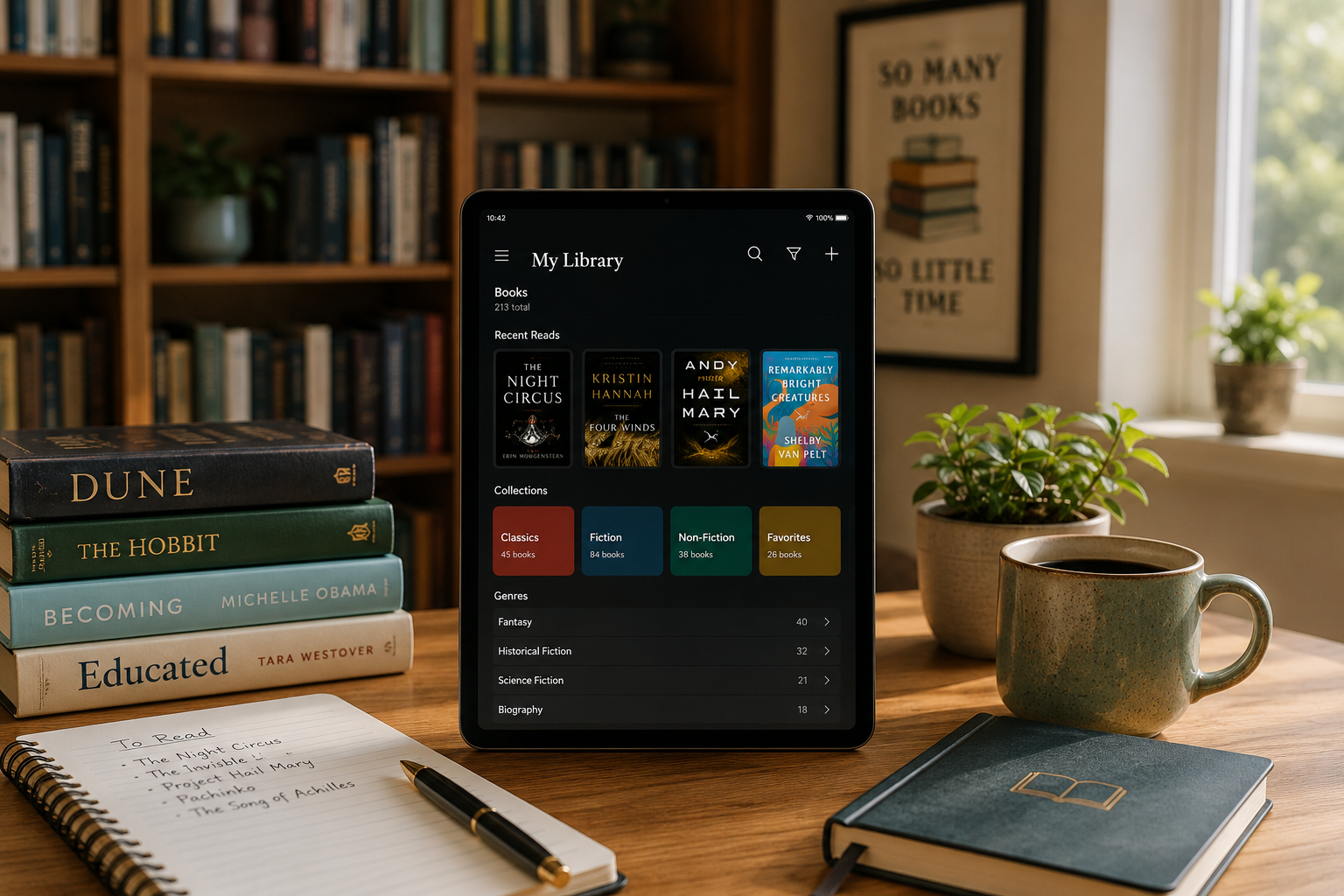
The way people collect books is changing. While purchasing new titles remains an important part of the reading experience, many readers are now placing greater value on organizing and maintaining personal digital libraries. Rather than constantly expanding their collections, they are focusing on making existing books easier to find, revisit, and enjoy.
This shift reflects a broader change in reading habits. Digital catalogs, reading trackers, cloud storage, and library management apps allow readers to create highly personalized collections that are available whenever inspiration strikes. Instead of losing track of purchased ebooks or forgetting which novels they own, readers are building organized libraries that grow alongside their interests.
Reading Is Becoming More Organized
Years ago, many readers relied on overflowing bookshelves or folders filled with ebook files. Finding a specific title could become surprisingly difficult after collecting hundreds of books. Today’s readers expect more structure.
Personal digital libraries make it possible to:
- categorize books by genre;
- create custom reading lists;
- organize favorite authors;
- save notes and highlights;
- track completed titles;
- maintain wish lists.
This organization transforms reading into a more enjoyable and efficient experience.
Quality Over Quantity
Owning thousands of books no longer feels like the ultimate goal. Instead, readers increasingly value collections that reflect their interests and reading history.
Many people regularly review their libraries by:
- removing duplicate files;
- archiving finished series;
- updating book metadata;
- grouping books by personal themes;
- creating seasonal reading collections.
The result is a digital library that feels curated rather than cluttered.
Cloud Access Changes Everything
Cloud technology has removed many of the limitations associated with digital books. Readers can now access their collections from multiple devices without worrying about transferring files manually. Whether using a desktop computer, tablet, e-reader, or smartphone, their entire library remains synchronized. This convenience encourages readers to revisit older books instead of constantly searching for new ones.
Personal Collections Tell a Story
Every reading journey is unique. A carefully maintained digital library becomes more than a storage space—it becomes a record of personal interests and growth. Looking back through completed books often reminds readers of different stages in life, changing hobbies, and evolving perspectives. In this way, digital libraries function almost like personal journals built through reading choices.
Better Search Makes Books Easier to Rediscover
One major advantage of digital collections is instant search. Instead of remembering exactly where a book was stored, readers can search by:
- title;
- author;
- keyword;
- publication year;
- genre;
- reading status.
This reduces friction and encourages readers to revisit books they may have forgotten.
Notes and Highlights Stay Connected
Many modern reading platforms allow annotations to remain attached to books.
Readers can:
- highlight favorite passages;
- write personal reflections;
- bookmark important chapters;
- save quotations;
- organize research material.
Years later, these notes provide valuable context and create a richer reading experience.
Collections Reflect Personal Interests
Unlike bookstore shelves, personal digital libraries evolve naturally. Someone interested in history might gradually create specialized collections covering ancient civilizations, biographies, and military history. A fiction enthusiast may organize books into mystery, fantasy, literary fiction, science fiction, and contemporary novels. These personalized collections make future reading decisions much easier.
Digital Libraries Support Long-Term Reading Habits
Many readers now approach books as lifelong companions rather than one-time purchases. Instead of reading a novel once and forgetting it, they return to meaningful titles multiple times. A well-maintained digital library makes rereading effortless. Readers often discover new insights simply because they can easily locate previous favorites.
Discovery Happens Inside Existing Libraries
Interestingly, readers are finding “new” books without buying anything. After organizing their collections, many realize they already own dozens of unread titles purchased years earlier.
This phenomenon has encouraged readers to focus more on exploring existing collections before expanding them further. As a result, digital libraries become active reading resources rather than passive storage folders.
AI Is Beginning to Improve Personal Libraries
New technologies are making digital collections even smarter. Some reading platforms now recommend books already present in a user’s library based on:
- current mood;
- previous reading history;
- favorite genres;
- unfinished books;
- seasonal interests.
Instead of promoting new purchases, these systems help readers rediscover books they already own.
Why This Trend Continues Growing
Several factors explain the popularity of personal digital libraries:
- larger ebook collections;
- cloud synchronization;
- improved search tools;
- reading across multiple devices;
- personalized recommendations;
- growing interest in intentional reading.
Together, these developments encourage readers to spend more time enjoying books rather than simply collecting them.
Looking Ahead
As digital reading ecosystems continue evolving, personal libraries are likely to become even more intelligent. Future platforms may automatically organize books, generate personalized reading paths, summarize previous highlights, and connect related titles across genres.
Rather than replacing traditional bookshelves, digital libraries are becoming complementary spaces where readers can preserve, organize, and rediscover the stories that matter most.
Final Thoughts
Personal digital libraries represent a natural evolution in modern reading habits. Instead of measuring a collection by its size alone, readers increasingly value accessibility, organization, and personal relevance.
By turning scattered ebooks into thoughtfully curated collections, readers gain a deeper connection with the books they already own while creating a reading experience that is more intentional, efficient, and rewarding.