
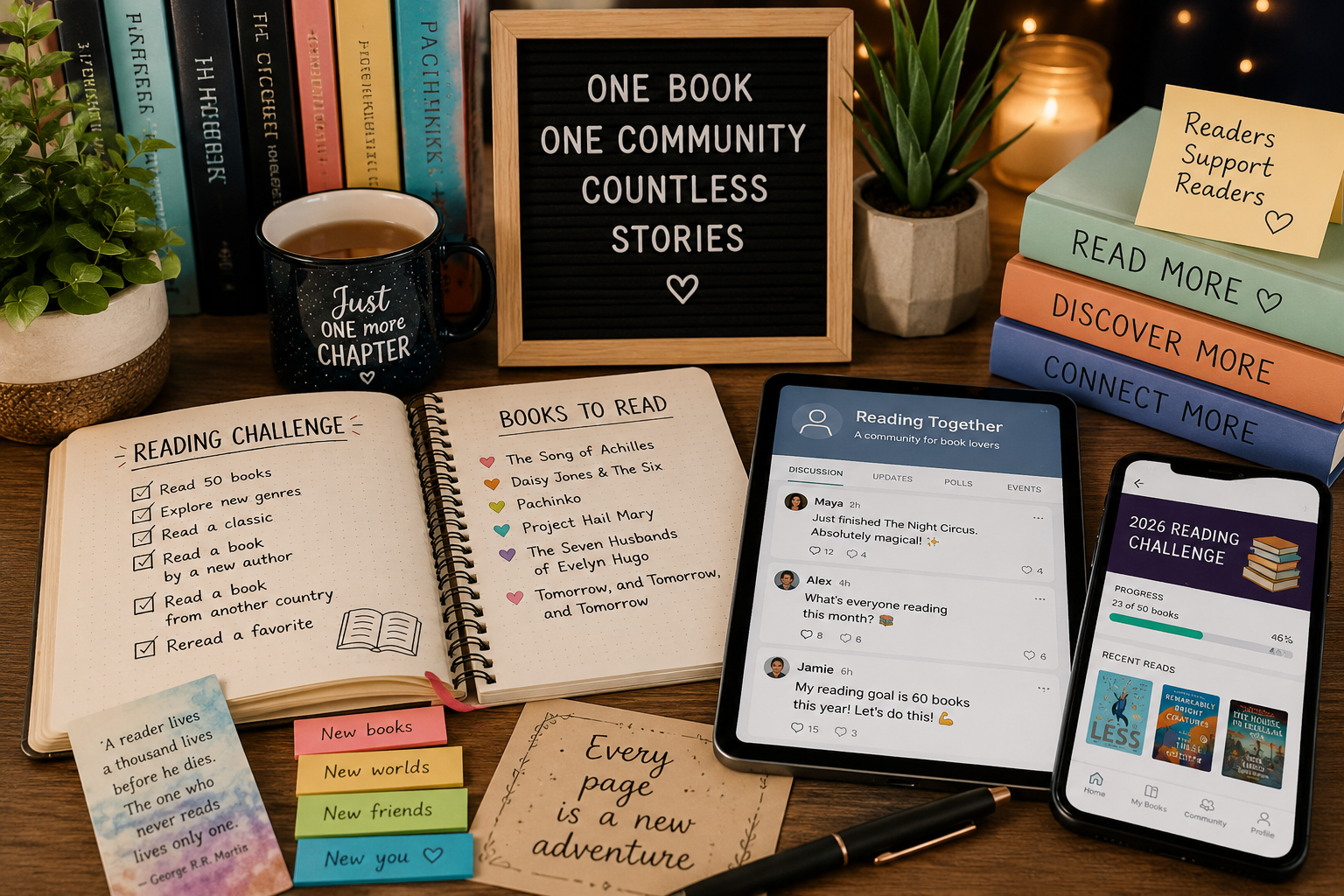
For many years, reading was considered a solitary activity. Today, that perception is changing. Across social media platforms, reading apps, and online forums, millions of readers are participating in reading challenges that encourage them to discover new books, share recommendations, and connect with like-minded people.
What began as simple annual reading goals has evolved into a global movement. In 2026, reading challenges are not only helping people read more books but are also creating vibrant communities where readers exchange ideas, discuss literature, and motivate one another throughout the year.
Why Reading Challenges Continue Growing
Modern readers face a common problem: too many books and too little time. Reading challenges provide structure that helps people stay committed to their reading goals.
Popular motivations include:
- Reading more consistently
- Discovering unfamiliar genres
- Building healthier screen habits
- Joining online book discussions
- Expanding literary knowledge
- Tracking personal progress
Many readers find that challenges transform reading from an occasional hobby into a regular habit.
Types of Reading Challenges Gaining Popularity
The variety of challenges available today appeals to readers with different interests and goals.
| Challenge Type | Objective |
|---|---|
| Annual Book Goal | Read a specific number of books |
| Genre Challenge | Explore new genres |
| Author Challenge | Read books from selected authors |
| Country Challenge | Discover international literature |
| Classic Literature Challenge | Explore influential works |
| Monthly Reading Challenge | Complete themed reading lists |
This flexibility allows readers to personalize their experience.
How Challenges Create Stronger Communities
One reason reading challenges have become so successful is their social element. Readers enjoy sharing progress, discussing books, and celebrating milestones together.
Common community activities include:
- Monthly book discussions
- Reading recommendation threads
- Virtual book clubs
- Reading progress updates
- Community reading events
- Reader polls and rankings
These interactions help transform individual reading into a shared experience.
The Role of Technology
Digital platforms have made participation easier than ever.
Popular tools include:
- Reading-tracking apps
- Online book clubs
- Social reading communities
- Digital reading journals
- Recommendation platforms
Technology allows readers from different countries and backgrounds to participate in the same challenge while exchanging ideas and recommendations.
Benefits Beyond Reading More Books
Many participants discover benefits that extend beyond their reading lists.
Common Outcomes
| Benefit | Impact |
|---|---|
| Better Consistency | Stronger reading habits |
| Increased Knowledge | Exposure to diverse topics |
| Improved Focus | Reduced digital distractions |
| Community Engagement | Meaningful social interaction |
| Literary Discovery | Broader reading preferences |
For many readers, the community aspect becomes just as valuable as the books themselves.
Why Younger Readers Are Participating
Younger audiences are helping fuel the growth of reading challenges. Social media has made book culture more visible and interactive than ever before.
Key drivers include:
- Short-form book recommendations
- Reading challenge hashtags
- Community accountability
- Personalized reading goals
- Digital book discussions
Rather than viewing reading as an isolated activity, many younger readers see it as part of a larger online community.
The Future of Reading Challenges
As reading communities continue to grow, challenges are likely to become even more creative and specialized. We are already seeing themed challenges focused on specific genres, cultures, authors, and literary movements.
Future trends may include:
- AI-powered reading recommendations
- Personalized challenge paths
- Community-based reading achievements
- Global reading events
- Interactive digital book clubs
These innovations will continue making reading more engaging and accessible.
Conclusion
Reading challenges are becoming much more than simple reading goals. They are helping create active communities where readers discover books, exchange ideas, and build lasting habits.
In 2026, the success of reading challenges demonstrates that reading remains highly social, even in a digital world. By combining personal goals with community participation, these challenges are encouraging more people to read, learn, and connect through literature.