
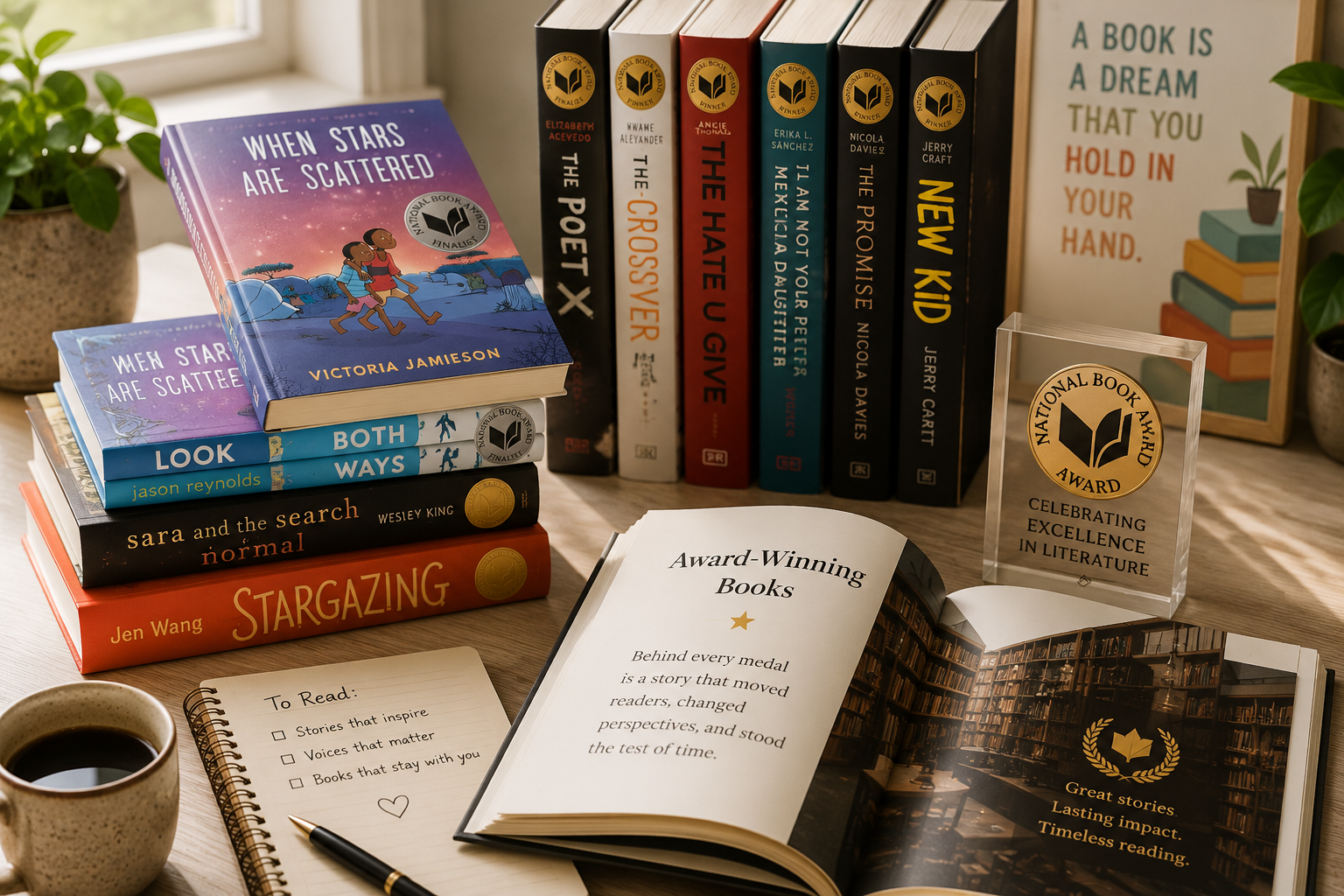
In a world where readers discover books through social media feeds, streaming adaptations, podcasts, newsletters, and algorithm-driven recommendations, literary awards continue to hold remarkable influence. Despite the growing number of ways people find new titles, award-winning books remain among the most trusted sources of reading inspiration.
From prestigious children’s literature medals to international fiction prizes, award recognition often serves as a quality signal that helps readers navigate an increasingly crowded publishing landscape. While trends come and go, award-winning books continue shaping reading habits across generations.
Why Literary Awards Still Matter
Every year, thousands of books are published across multiple genres and formats. For many readers, deciding what to read next can feel overwhelming.
Literary awards help simplify that decision-making process by highlighting books that have been evaluated by experienced judges, educators, critics, librarians, and industry professionals. Rather than relying entirely on popularity or marketing budgets, award recognition often draws attention to titles that demonstrate exceptional storytelling, originality, and cultural impact.
Readers frequently view award seals as indicators of quality, particularly when exploring unfamiliar authors or genres.
Awards Help Books Reach Wider Audiences
Winning a major literary prize can dramatically increase a book’s visibility. Titles that may have initially attracted a niche audience often gain broader recognition after receiving awards.
Libraries, schools, bookstores, reading clubs, and educational institutions frequently update recommendation lists based on award announcements. This expanded exposure introduces books to readers who might never have encountered them otherwise. As a result, literary awards often serve as a bridge between exceptional writing and wider public awareness.
Young Readers Benefit From Award Recognition
Children’s and young adult literature has long been influenced by literary awards. Parents, teachers, and librarians regularly use award lists when selecting books for developing readers.
Award-winning children’s books often combine engaging storytelling with meaningful themes, helping young readers improve literacy skills while discovering new perspectives. Because these titles have undergone rigorous evaluation, they are frequently viewed as reliable educational and recreational choices. For many readers, some of their most memorable childhood books were discovered through award recommendations.
Social Media Has Increased the Impact of Literary Prizes
Rather than reducing the importance of awards, social media has amplified their visibility.
Book-focused communities on platforms such as TikTok, Instagram, YouTube, and Goodreads regularly discuss award winners, shortlist announcements, and literary debates. When a book receives a major prize, online conversations often introduce it to thousands of potential readers within days.
Award-winning books now benefit from both traditional recognition and modern digital word-of-mouth, creating a powerful combination that helps maintain their relevance.
Awards Highlight Diverse Voices
One reason literary prizes remain important is their ability to spotlight stories that might otherwise receive limited attention. Many modern literary awards actively recognize authors from different cultural backgrounds, regions, and experiences. This broader representation encourages readers to explore perspectives beyond their usual reading preferences.
As publishing becomes increasingly global, awards help bring important voices into mainstream conversations and encourage greater literary diversity.
Readers Continue Seeking Trusted Recommendations
While algorithms can suggest books based on previous purchases or reading habits, many readers still value human judgment when selecting meaningful literature.
Award committees provide an additional layer of credibility that technology alone cannot always replicate. Readers often appreciate knowing that a book has been carefully considered by experts who evaluate literary quality, creativity, and impact.
This trust helps explain why award-winning books continue attracting attention even in an era dominated by digital recommendations.
The Long-Term Value of Award-Winning Literature
Many books enjoy brief popularity before fading from public attention. Award-winning titles often demonstrate greater staying power.
Years after publication, these books frequently remain part of school curricula, library collections, book club discussions, and recommended reading lists. Their continued relevance suggests that literary awards often identify works capable of resonating across generations.
For readers seeking books with lasting significance, award recognition remains a valuable guide.
Final Thoughts
The digital age has transformed how readers discover books, but literary awards continue playing an important role in the reading ecosystem. By highlighting quality, expanding visibility, supporting diverse voices, and providing trusted recommendations, award-winning books remain influential long after trophies are handed out.
As new technologies reshape publishing and book discovery, literary prizes continue helping readers find stories that entertain, educate, challenge, and inspire. Their enduring impact demonstrates that exceptional storytelling still stands out, regardless of how readers choose their next book.